
Course Instructor
Randa BOUKABENE (MA), randa.boukabene@ensia.edu.dz

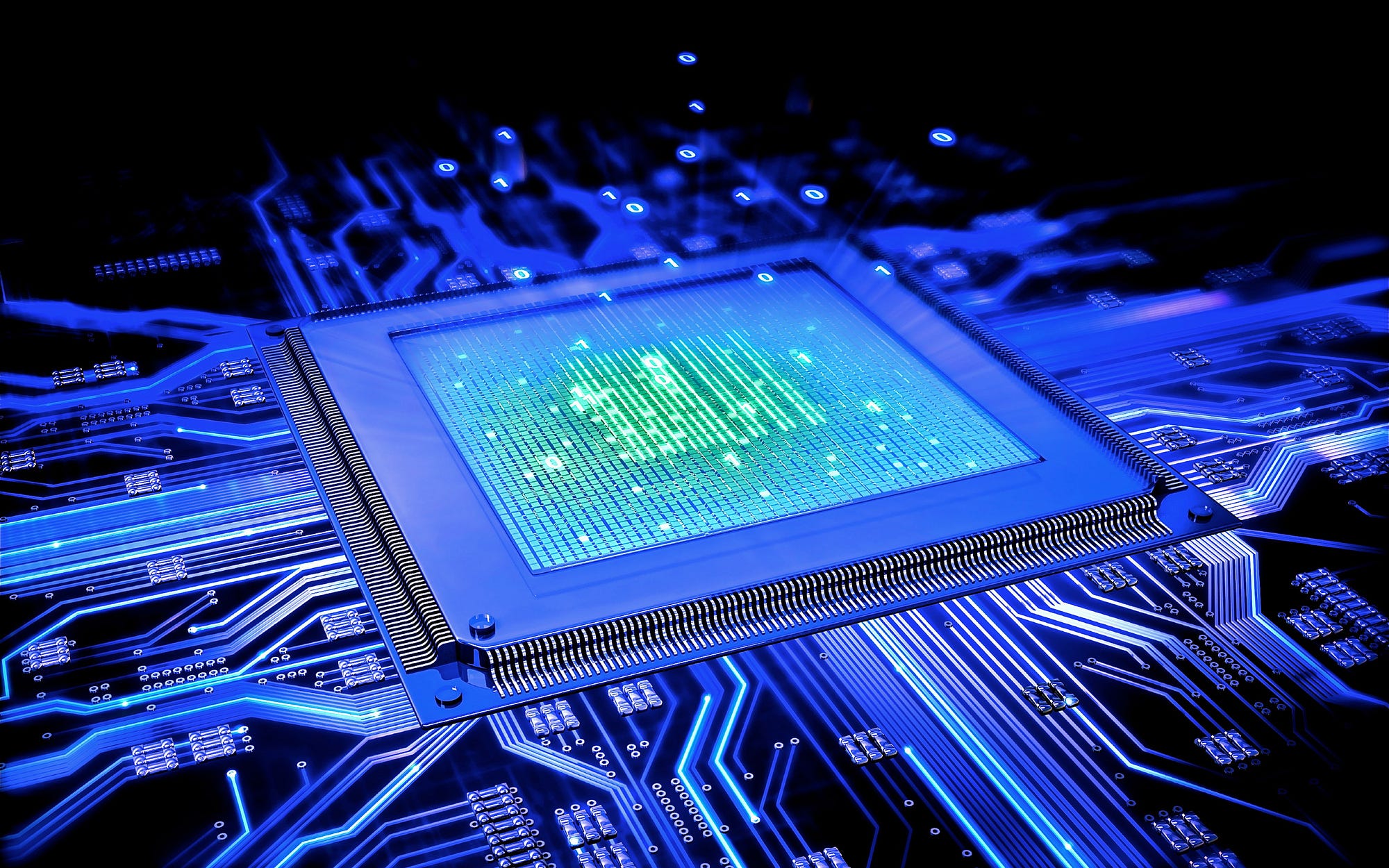
This course introduces the fundamental concepts of computer architecture and provides students with a solid understanding of how computer systems are organized and operate. The first part of the course presents the main hardware components of a computer, including the Central Processing Unit (CPU), the Arithmetic and Logic Unit (ALU), buses, and the memory hierarchy. Students will learn how these components interact to execute programs and process data efficiently.
The course also explores the instruction execution cycle, the seven great ideas of computer architecture, and the basic principles involved in the design and manufacturing of modern processors. Practical exercises are included throughout the course to reinforce theoretical concepts.
In the second part, students are introduced to the RISC-V instruction set architecture. They will learn how high-level programming languages are translated into machine-executable instructions, understand arithmetic and data transfer operations, and study the relationship between registers and memory. By the end of the course, students will be able to analyze basic assembly programs and understand the hardware mechanisms that support software execution.
Students should have basic knowledge of computer systems and programming concepts. Familiarity with a high-level programming language such as C, Python, or Java is recommended but not mandatory.
Randa BOUKABENE (MA), randa.boukabene@ensia.edu.dz